DSCR Construction Loan: How New Builds Get Rent-Qualified Financing
A DSCR construction loan is really two loans: a construction or bridge loan to build, then a DSCR refinance at completion. What the lender needs at the end.
By the DSCRLoanCalculator.org team
A DSCR construction loan is really two loans, because a DSCR loan does not pay for construction. It qualifies on rent, and a half built house collects no rent, so the DSCR loan arrives at the end as the takeout that pays off the construction or bridge loan once the property is finished and leasable.
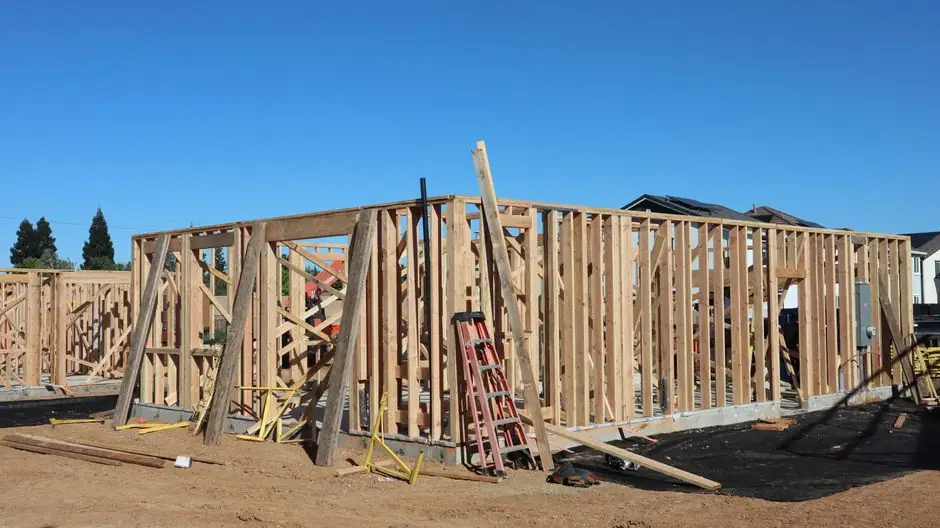
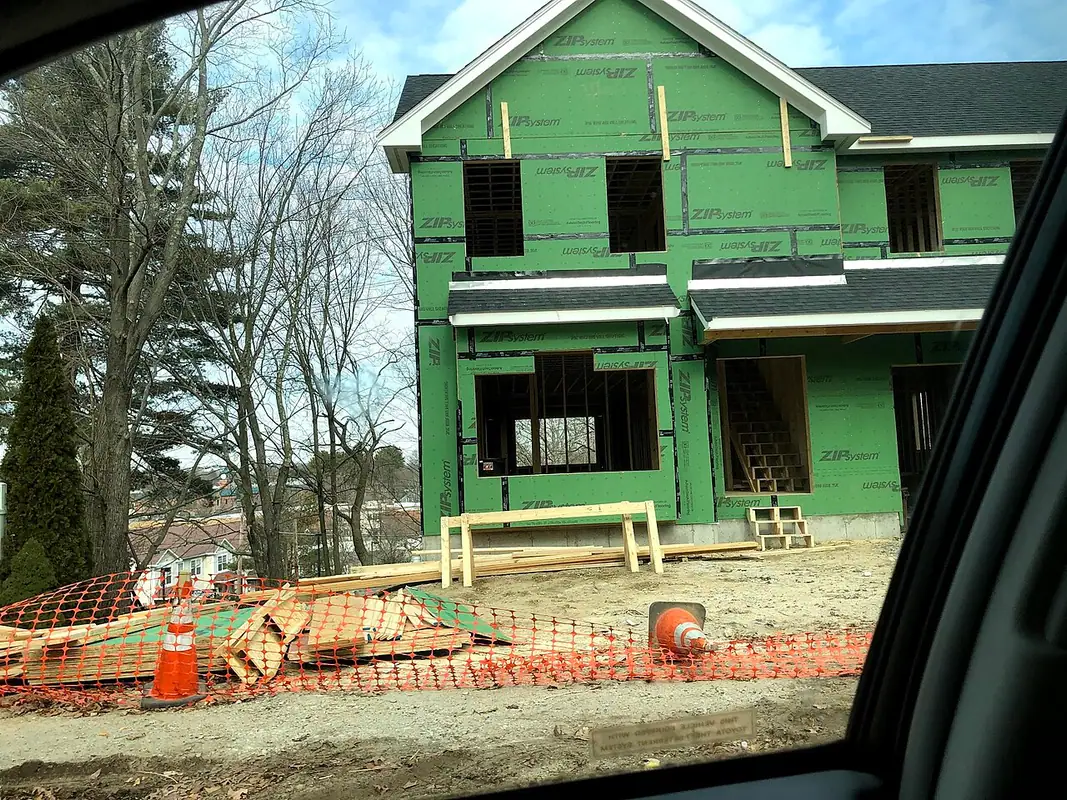
That is the answer to whether DSCR loans can be used for new construction: yes, but as the second loan in the sequence, not the first.
Can a DSCR loan fund construction?
No. Construction money is released in draws against inspections, interest accrues on the drawn balance, and the lender is underwriting a budget, a builder and a timeline. A DSCR lender underwrites rent against PITIA on a standing property. Those are two different products carrying two different risks.
Some lenders advertise a DSCR construction program. Read the term sheet before you count on it. What is usually on offer is a package: a short term draw facility first, then a DSCR refinance at the end, sometimes with the permanent loan pre-underwritten so the exit is already spoken for. That is a real convenience, but the back half still follows normal DSCR underwriting rules.
How construction and bridge loans pair with a DSCR takeout
The front end is a construction loan, a hard money loan or a bridge loan. All three are short term and interest only, usually 12 to 24 months, and all three price above permanent debt because the collateral is unfinished.
The order of operations looks like this:
- Close the construction or bridge loan on the land and the build budget.
- Draw funds in stages as inspections clear.
- Finish the house and get the certificate of occupancy.
- Sign a lease, or order an appraisal with a rent schedule.
- Close the DSCR refinance, which pays off the draw loan balance.
The DSCR loan is sized off the finished value and the rent, not off what you spent. If the build came in under budget and appraised well, the refinance can return part of your cash. If it came in over budget, the gap stays in the deal as equity.
What the lender needs at completion
Four things decide whether the takeout closes.
A certificate of occupancy from the local building department, which is what turns the file from a construction project into a rental.
A final appraisal of the completed property, not the as-complete value the construction lender used at the start.
A rent figure, either a signed lease or the appraiser’s market rent.
Clean title, with lien releases from the builder and the subcontractors.
Insurance changes too. The builder’s risk policy that covered the project will not satisfy the permanent lender, so a landlord policy has to be bound before closing. Seasoning rules vary by lender: some fund at the certificate of occupancy, others want a few months of ownership or a signed lease first. Ask about that before you agree to the construction lender’s maturity date.
Setting market rent on a property that has never been leased
A new build has no rent history, so the appraiser’s market rent carries the whole income side. That number comes from the comparable rent schedule, which lists leased comparables and adjusts them for size, age and condition. New construction often has to be measured against older rentals, and the adjustment for condition is where the figure moves.
A signed lease before the refinance removes most of the guesswork. Many lenders then use the lower of the lease rent and the market rent, so an above market lease on a brand new house will not lift the ratio by itself.
Take the site’s standard example. The finished house appraises at $500,000 and rents for $4,000 a month, with $6,000 a year of property taxes and $2,500 of insurance. On the default loan that works out to a DSCR of about 1.20, which clears most programs with room to spare. In the simple tab, $4,000 of rent against a $3,200 PITIA payment is a DSCR of 1.25.
Watch the tax line on a new build. The bill you see during construction may be based on land only, and the county reassesses after the house is finished. Escrow on the permanent loan is set on the improved value, so that is the realistic number to put in the calculator.
Timing the takeout so the draw loan does not mature first
This is where new construction deals get hurt. Weather, inspections, a missing light fixture, an appraiser booked three weeks out. A 12 month draw loan against a 10 month build leaves very little slack.
Start the DSCR file 60 to 90 days before the construction loan matures. Appraisal, title work and entity documents can all be ordered while the punch list is being finished. If the build slips, ask the construction lender about an extension early, because extension fees cost far less than a default.
Rate risk sits on the same timeline. Your DSCR rate is set when the takeout closes, not when you broke ground. If rates move up during the build, the same rent supports a smaller loan, which is one of the real downsides of a DSCR loan on a project with a long runway.
Build-to-rent and spec homes: where the box ends
One to four units on a single parcel fits standard DSCR programs. A whole subdivision, a five unit building or a scattered site portfolio closing at once moves into commercial mortgage or portfolio lending, with different ratios and often a holdback until the units lease up.
A spec home built to sell is a harder fit. If the plan is a quick sale, a DSCR refinance with a prepayment penalty works against you, and the comparison in what is better than a DSCR loan matters more than the ratio does.
Condos in a building that is still under construction are often excluded until the project is complete and the HOA has been handed over. If you are sizing a build-to-rent plan in a specific county, the Census Bureau’s Building Permits Survey publishes permit counts by area.
Run the numbers before you break ground
Price the takeout first, then decide what you can afford to build. The DSCR Loan Calculator on the home page takes the finished value, the rent you expect and your tax and insurance estimates, and shows the ratio the permanent lender will see at completion.
Frequently asked questions
Can DSCR loans be used for new construction?
Yes, but not to build. A DSCR loan qualifies on rent against the payment, so it needs a finished, leasable property. On a new build it works as the takeout: a construction or bridge loan funds the project, then the DSCR loan refinances it once the certificate of occupancy is issued and a rent figure exists.
What is a DSCR bridge loan?
A short term loan that holds a property until a DSCR loan can replace it. Bridge money is interest only, usually 12 to 24 months, priced above permanent debt, and underwritten on the asset and the plan rather than the rent. Investors use it for construction, heavy rehab or a fast purchase, then refinance into a DSCR loan.
How does a bridge loan to DSCR refinance work?
The bridge loan closes first and funds the purchase or the build. When the property is complete and rentable, the lender orders a new appraisal and a rent schedule, or takes your signed lease. The DSCR loan is sized off that finished value and rent, and its proceeds pay off the bridge balance at closing.
How do lenders set rent on a house that has never been leased?
They use the appraiser's market rent from the comparable rent schedule. The appraiser lists recently leased homes nearby and adjusts them for size, age and condition, then reports one monthly figure. If you sign a lease before closing, many lenders use the lower of the lease rent and that market rent.
Do I need a certificate of occupancy to refinance into a DSCR loan?
On new construction, yes. The certificate of occupancy from the local building department shows the property is legally habitable, and it is usually the trigger for the final appraisal. Without it the property is still a construction project, and the permanent lender has no rent to underwrite against.