DSCR Loan vs Hard Money: Cost, Speed and the BRRRR Hand-Off
DSCR loan vs hard money: hard money buys and funds the rehab, a DSCR loan holds it long term. See the cost gap, closing speed and the seasoning rules.
By the DSCRLoanCalculator.org team
DSCR loan vs hard money comes down to two different jobs: hard money buys the property and pays for the rehab, while a DSCR loan holds it long term on the rent it collects. A DSCR loan is not hard money. Both skip tax returns and both price above a bank loan, but one is a 6 to 24 month rehab loan and the other is a 30 year rental mortgage underwritten on the ratio of rent to payment.
Most rehabbers use both, in order. That order, and the seasoning rules that control it, is what this guide covers.
What each loan is built to do
A hard money loan is short term money from a private lender or fund, secured by the property itself. Lenders size it against the purchase price and the after repair value, release rehab money in draws, and expect a payoff from a sale or a refinance. The product has a long history outside bank lending, and hard money is still the standard name for it.
A DSCR loan is a rental mortgage that qualifies on the property’s income instead of yours. The lender compares lease or market rent to the full PITIA payment, lends if the ratio clears its floor, and funds nothing beyond the purchase or payoff.
Condition is the other split. Hard money barely cares. A DSCR lender needs a rent ready property, because the ratio depends on rent that can actually be collected.
Cost side by side: rate, points and term
| Hard money | DSCR loan | |
|---|---|---|
| Rate | Several points above a rental mortgage | Above conventional, below hard money |
| Points | 1 to 3 | 1 to 2 |
| Term | 6 to 24 months | 30 years, or a 5 or 7 year ARM |
| Payments | Interest only, balloon at the end | Amortizing, interest only available |
| Maximum loan | 85 to 90% of price, capped by after repair value | 75 to 80% of value |
| Funds rehab | Yes, in draws | No |
| Condition | Can be gutted | Rent ready |
| Prepayment penalty | Rare | Common, 3 to 5 years |
Rates on both products move with the market, so treat any published figure as stale and ask for same day quotes on your property. The gap holds even when the level changes. DSCR loan rates covers what moves your own quote.
Take the standard example on this site: a $500,000 rental renting for $4,000 a month, with $6,000 a year of property taxes and $2,500 of insurance. On the default long term loan the ratio lands near 1.20.
Put the same house on hard money instead, a $375,000 interest only loan at 11%, and the payment is about $3,438 a month. Add $708 of taxes and insurance and the carry is $4,146 against $4,000 of rent. The ratio is 0.96. That is survivable for nine months and fatal for nine years.
How fast does each one close?
Hard money is the fast one, commonly 5 to 15 business days. Many lenders use a desktop valuation or their own walkthrough instead of a full appraisal, and the borrower file is thin by design.
A DSCR loan usually takes 21 to 35 days. It needs a full appraisal, a rent schedule or signed lease, title work, a hazard policy naming the entity, and LLC documents. None of that is difficult. It just takes calendar days.
That is why auction and wholesale deals run on hard money. A seller demanding a 10 day close will not wait for an appraiser.
Rehab money: why a rent qualified loan will not fund it
A DSCR lender underwrites the rent a property earns today, not the rent it might earn after $60,000 of work. The appraisal comes in as is. There is no budget review, no draw process and no progress inspection.
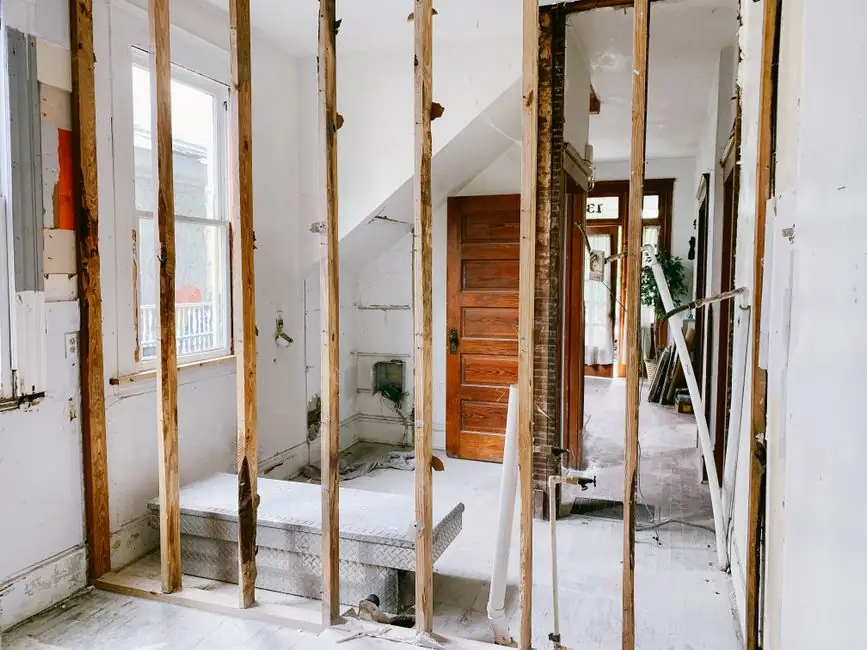
So a vacant house with no kitchen has no rent and no ratio. Hard money fills that gap, and the inability to fund work is one of the honest limits listed under the downside to a DSCR loan.
The BRRRR sequence: hard money in, long term loan out
- Buy with hard money, often 85 to 90% of the purchase price, with the rehab budget approved before closing.
- Draw the rehab in stages as work passes inspection, paying interest on the drawn balance.
- Lease the unit. A signed lease at market rent is the most useful document you can hand the next lender.
- Refinance into a DSCR loan at 75 to 80% of the new appraised value and pay off the hard money.
- Repeat with the cash that comes back out.
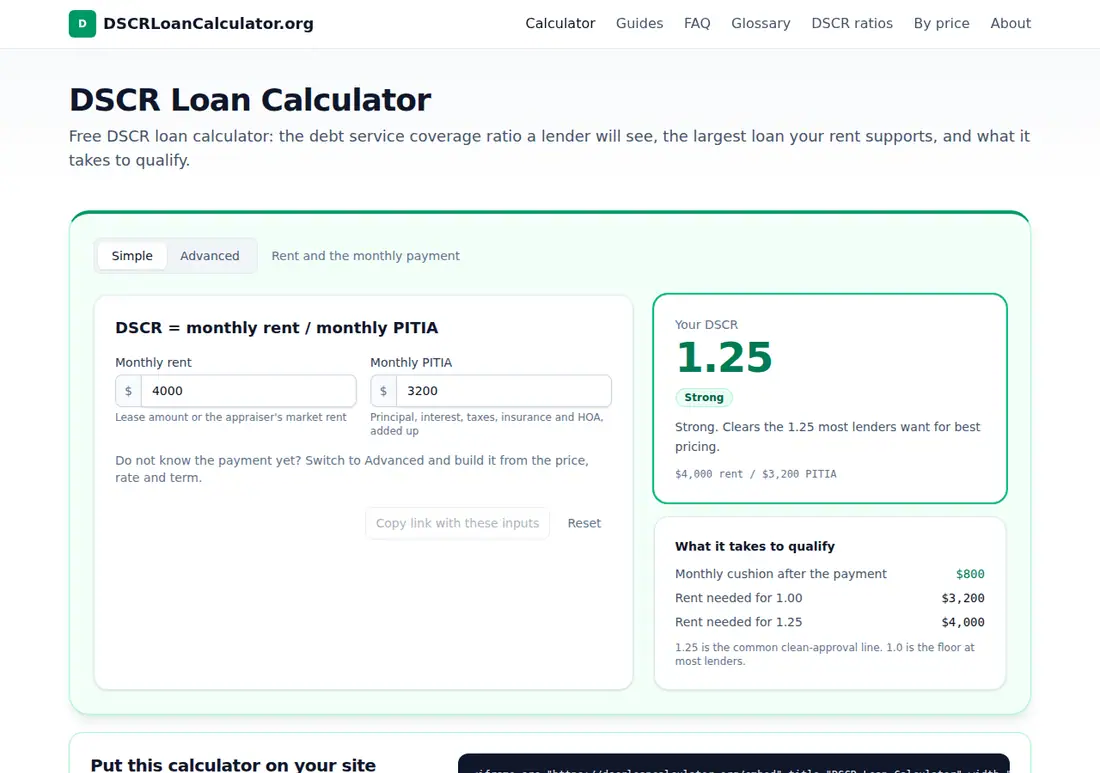
Line up the refinance lender while the rehab is still running. Hard money has a hard end date and extensions cost points. Test the exit ratio early: $4,000 of rent against a $3,200 payment is a DSCR of 1.25, comfortable almost everywhere. The same rent against a $3,700 payment is 1.08, which means tighter pricing or a smaller loan.
Is there such a thing as a DSCR bridge loan?
Yes, though the name is loose. A bridge loan is any short term loan that carries a property from one financing event to the next. Some lenders attach the DSCR name to a 12 to 24 month interest only product qualified on in place or projected rent, sometimes with a small rehab budget inside it.
Read the term sheet rather than the name. Term length, draw rules, required condition, and the cost of an extension are the four things that decide whether it works.
Seasoning rules that decide your timing
Seasoning is how long you must own a property, or hold its loan, before a lender will refinance it. It breaks more BRRRR timelines than rates do.
Three versions show up, and the exact numbers vary by lender:
- Rate and term refinance: often little or no seasoning, since you are only replacing debt.
- Cash out refinance: commonly 3 to 6 months of ownership before the new appraised value counts.
- No seasoning programs: the lender uses today’s appraised value immediately, usually at a lower maximum loan and a higher rate.
Agency financing is stricter. Conventional cash out rules generally require six months of ownership, with a narrow exception for cash purchases, as set out in the Fannie Mae Selling Guide. Get your DSCR lender’s seasoning rule in writing before you sign the hard money note, because it sets your real hold period.
Which one fits the deal in front of you
Use hard money when the property is vacant or unlivable, when the seller needs a close in under two weeks, or when your profit comes from the work rather than the rent.
Use a DSCR loan when the unit is leased or rent ready, rent covers the payment with room, and you intend to hold for years in an LLC.
When neither fits, the answer may be a different structure, which is the ground covered in what is better than a DSCR loan. Seller financing, a partner’s cash, or a line against equity you already own all compete with both products.
Check the exit ratio first
Run the property through the DSCR Loan Calculator on the home page using the rent you expect after the rehab and the payment your refinance lender quotes. If the ratio clears the floor with room, the hard money leg is a bridge you can plan around. If it does not, the problem is the exit, not the entry.
Frequently asked questions
Is a DSCR loan a hard money loan?
No. A DSCR loan is a long term rental mortgage, usually 30 years, qualified on the property's rent against its payment. Hard money is short term money, 6 to 24 months, priced for speed and secured mainly by the property and its after repair value. Both skip tax returns, which is why people confuse them, but they do opposite jobs.
Which is cheaper, hard money or a DSCR loan?
A DSCR loan is cheaper on rate and on term. Hard money typically sits several points above a DSCR loan, charges 1 to 3 points up front, and is interest only with a balloon. Both move with the broader rate market, so compare same day quotes. Hard money is cheap only if your hold is short.
Can a DSCR loan pay for rehab?
No. A DSCR lender underwrites the rent a property collects now and appraises it as is. There is no rehab budget, no draw schedule and no inspection process. Most programs also require the property to be rent ready. That is why the common path is hard money for the purchase and rehab, then a DSCR refinance once the unit is leased.
What is a DSCR bridge loan?
It is a short term loan, often 12 to 24 months and interest only, qualified on in place or projected rent rather than your income. Some lenders allow a light rehab budget inside it. The label is loose, so read the term sheet: term length, draw rules, required condition, and the extension cost if your exit refinance slips.
What does no seasoning mean on a DSCR loan?
Seasoning is how long you must own a property before a lender will refinance it. A no seasoning program will use the new appraised value right away, even if you bought the house last month. Those programs exist and usually come with a lower maximum loan amount and a higher rate. Rules vary by lender, so confirm in writing.