DSCR Loan Closing Costs: What You Pay at the Table
DSCR loan closing costs add 2% to 5% on top of your down payment. See every lender fee, point, reserve and prepaid added up on a $500,000 rental.
By the DSCRLoanCalculator.org team
DSCR loan closing costs usually run about 2% to 5% of the purchase price, on top of the down payment. On a $500,000 rental that is roughly $10,000 to $25,000 for lender fees, points, title and escrow, the appraisal, recording and transfer taxes, and prepaid items. Your state and the number of points you buy decide where you land in that range.

The down payment is a separate question, and how much you have to put down sets the biggest line. Everything below gets added to it.
What closing costs run on a DSCR loan
Start from the deal this site uses everywhere: a $500,000 rental renting for $4,000 a month, with $6,000 a year of property taxes and $2,500 of insurance. At 20% down the loan is $400,000, PITIA is about $3,330, and the DSCR is about 1.20.
| Item | Typical on a $400,000 loan |
|---|---|
| Lender fees (underwriting, processing, doc prep) | $1,000 to $2,500 |
| Points, if you buy them | $4,000 per point |
| Appraisal plus rent schedule | $600 to $1,000 |
| Title search, settlement, lender’s policy | $1,500 to $3,500 |
| Recording and transfer taxes | $100 to several thousand, by state |
| Prepaid insurance, 12 months | $2,500 |
| Tax escrow deposit, 3 to 6 months | $1,500 to $3,000 |
| Prepaid interest | balance x rate / 365, per day to month end |
Add the $100,000 down payment and cash to close on that deal sits near $115,000 to $125,000. Those ranges move with state law and lender pricing, so treat them as a budget, not a quote.
Lender fees, points and the rate buydown trade
Lender charges arrive as an origination fee, an underwriting fee, and processing or doc prep. Some lenders bundle them into one origination percentage. Others itemize. Broker compensation sits here too, commonly 1% to 2% of the loan, paid by you or by the lender through pricing.
Discount points are the line you control. One point costs 1% of the loan, $4,000 here, and buys the rate down.
That trade feeds your ratio. If the buydown cuts PITIA from $3,330 to $3,200, DSCR moves from 1.20 to 1.25, because $4,000 divided by $3,200 is 1.25. Crossing a pricing tier that way can pay for itself over a few years. What sets your rate covers which tiers matter.
Ask what the prepayment structure costs, as well. A shorter penalty period usually prices higher, and how prepayment penalties work on these loans is worth settling before you pay for points you may not keep.
Third-party costs: appraisal, title, escrow and recording
These are vendor charges, not lender profit.
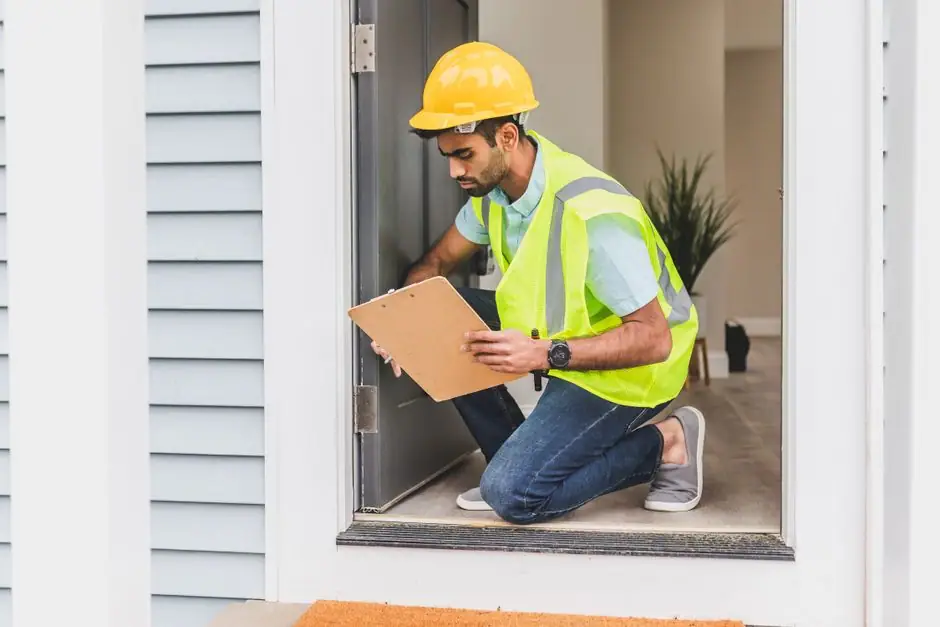
The appraisal runs $600 to $1,000 on a single family house in most markets, more for two to four units or a rural address. A DSCR file usually adds a rent schedule, Form 1007 on one unit, sometimes billed inside the appraisal order and sometimes on its own line.
Title work covers the search, the settlement or escrow fee, and the lender’s title policy. Policy premiums are filed at the state level, so the same $500,000 purchase can cost $1,200 in one state and $3,000 in another.
Recording and transfer taxes swing the most of anything on the page. Some states charge little to record a deed of trust. Others charge a percentage of the price, and some cities add a transfer tax on top. Get a quote for your exact address from the title company.
Reserves and prepaid escrows the lender collects
Reserves are not a fee. They are cash you must show, usually 3 to 12 months of PITIA, held in your account and verified before closing. At $3,330 a month, six months is about $20,000. You keep that money. You just cannot spend it on the deal.
Prepaid escrows do leave your hands. Lenders generally collect the first year of hazard insurance, $2,500 in this example, plus a few months of taxes to seed the escrow account. At $6,000 a year, three months is $1,500 and six months is $3,000.
Prepaid interest covers the days from funding to month end, which is why closing on the 28th costs less than closing on the 2nd.
Seller concessions and gift funds: what counts
A seller can cover part of your costs, but investor caps are tighter than on a primary residence. Many programs allow concessions in the low single digits of the purchase price, and some allow none. The cap is a lender guideline rather than a law, so ask before writing the offer.
Two rules hold almost everywhere. Concessions pay closing costs, prepaids and buydowns, never the down payment. Anything above the cap gets subtracted from the sale price for LTV, which raises your cash.
Gift funds are stricter. These are business purpose loans, often closed in an LLC, and many lenders want down payment and reserves to come from the borrower’s own seasoned funds, commonly 30 to 60 days in the account. Some accept a documented gift with a letter and a paper trail. It is a program-by-program answer.
Do DSCR loans follow TRID?
Usually no. The rule behind the Loan Estimate and Closing Disclosure sits inside Regulation Z, and Regulation Z exempts credit extended primarily for a business purpose. A rental loan is business purpose, so most lenders never issue those forms.
You get a term sheet or fee worksheet instead, then the title company’s settlement statement a day or two before signing. No three day review window applies. Ask for the worksheet in writing early and compare it to the final statement line by line.
Fee tolerances between estimate and closing are not automatic either. Your protection is asking questions before you lock. The process step by step shows where each quote lands in the timeline.
How to cut cash to close without hurting the ratio
- Ask for a lender credit. A slightly higher rate can cover fees, but recheck DSCR, since the bigger payment lowers it.
- Use a seller concession on prepaids and a buydown, not on fees you could have negotiated away.
- Close late in the month to shrink prepaid interest.
- Shop title and settlement where state rules allow it.
- Ask whether escrows can be waived at lower LTV, which removes the tax and insurance deposit.
- Compare 20% down with 25% down. More down means a smaller payment, a better ratio, and often better pricing.
Price your own deal
Plug your rent, taxes, insurance and down payment into the free DSCR Loan Calculator and watch the payment change as you adjust the rate or the amount down. Then add the fee ranges above to see real cash to close.

Frequently asked questions
How much are closing costs on a DSCR loan?
Budget 2% to 5% of the purchase price for fees and prepaids, separate from the down payment. On a $500,000 rental that is roughly $10,000 to $25,000, covering lender fees, the appraisal, title and settlement, recording and transfer taxes, prepaid insurance and a tax escrow deposit. Points add 1% of the loan each. State transfer taxes and title pricing cause most of the swing.
Do DSCR loans follow TRID?
Usually not. The TILA-RESPA rule that produces a Loan Estimate and Closing Disclosure lives inside Regulation Z, which does not cover credit extended primarily for a business purpose. A DSCR loan on a rental is business purpose, so most lenders issue a term sheet or fee worksheet instead, followed by the title company's settlement statement. Ask for fees in writing early.
Can the seller pay closing costs on a DSCR loan?
Often yes, but caps are tighter than on a primary residence. Many investor programs allow concessions in the low single digits of the price, and some allow none at all, so confirm the limit before you write the offer. Concessions can pay closing costs, prepaids and a rate buydown. They cannot pay the down payment, and anything above the cap reduces the price used for LTV.
Can you use gift funds for a DSCR loan?
It depends on the lender. These loans are business purpose and often close in an LLC, so many programs want the down payment to come from the borrower's or entity's own seasoned funds, commonly 30 to 60 days in the account. Some accept a documented gift with a letter and a clear paper trail. Ask about gift funds and reserves at the same time, since rules can differ.
Are reserves part of closing costs?
No. Reserves are cash you prove you have, not money you hand over at closing. Lenders generally ask for 3 to 12 months of PITIA. At a $3,330 monthly payment, six months is about $20,000 that stays in your account. Prepaid escrows are the opposite: the first year of insurance and a few months of taxes do leave your hands at the table.