DSCR Loan Appraisal: What the Appraiser Reports and What Can Go Wrong
A DSCR loan appraisal sets both your value and your market rent. What the 1004 and rent schedule report, what it costs, and how to fix a low number.
By the DSCRLoanCalculator.org team
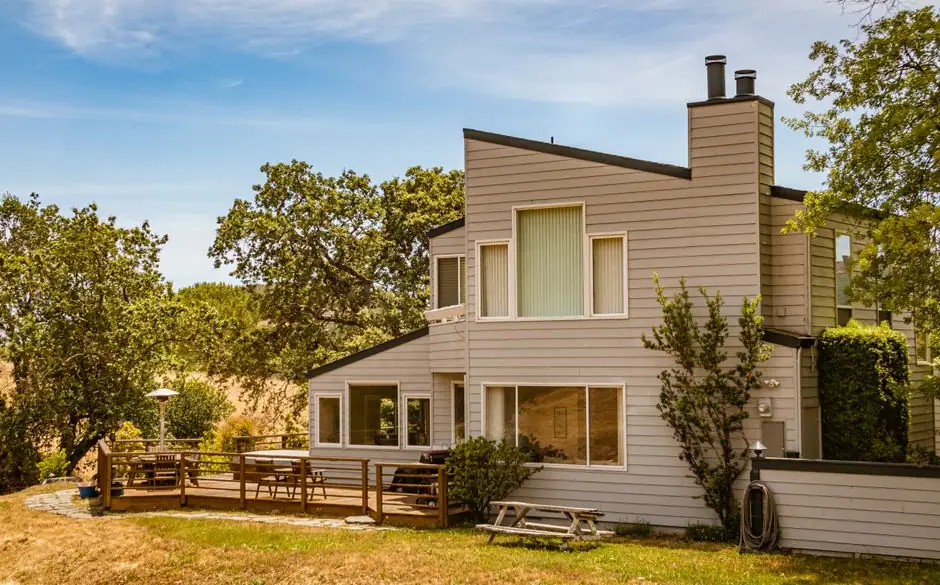
A DSCR loan appraisal is the report that sets two numbers at once: what the property is worth, and what it should rent for. The value caps your loan amount, and the market rent feeds the top of your debt service coverage ratio.
That is the short answer. It matters more here than on a conventional loan because a DSCR file has no pay stubs or tax returns behind it. Most of what a DSCR lender checks is settled before the order goes out. The appraisal is the part still in motion.
What a DSCR lender orders: the 1004 and the rent schedule
For a single family rental, the order is usually Form 1004 plus Form 1007. The 1004 is the full interior appraisal with closed sales comparables. The 1007 is the comparable rent schedule, a one page addendum that reports monthly market rent. Our rent schedule guide walks through that form line by line.
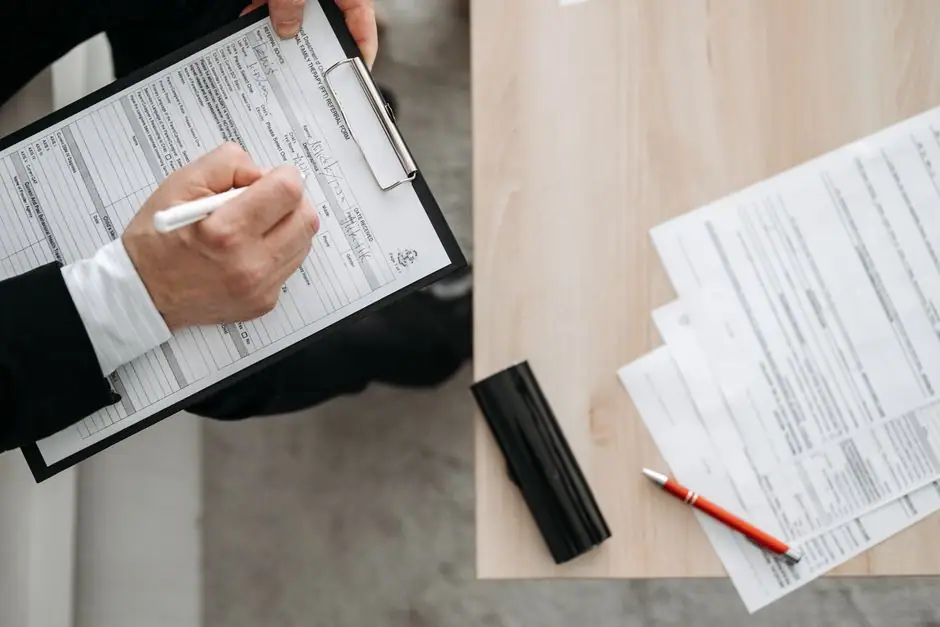
Condos get Form 1073 instead of the 1004, with the 1007 attached. Two to four unit properties get Form 1025, which has rent comparables built into it, so they usually skip the separate 1007. On small multifamily, lenders often add Form 216, the operating income statement.
Appraisers work under USPAP, the national standards for appraisal practice, and most DSCR lenders order through an appraisal management company rather than calling an appraiser themselves. You do not get to pick the appraiser. That distance is deliberate.
What lands in your inbox, in a typical report:
- An as-is opinion of value, built from three to six closed sales adjusted against your property using the sales comparison approach.
- A condition rating from C1 to C6, plus interior and exterior photos.
- Square footage, bedroom and bathroom count, lot size and year built.
- Monthly market rent, with the current lease rent and lease end date if the unit is occupied.
Who pays, what it costs and how long it takes
You pay, and you pay up front. The fee is collected when the order goes out, not at closing, and it is generally not refundable if the deal dies.
Cost moves with the market and the property. A single family report with a rent schedule is a few hundred dollars in most places. Two to four unit reports, large homes, rural properties and rush orders cost more. The appraisal management company quotes the fee, so ask for the number in writing before you authorize the charge.
Timing usually runs one to three weeks from order to delivered report. Busy seasons, thin rural markets, tenants who will not schedule access and revision requests all stretch it. The appraisal is the most common reason a file sits, which is a big part of why DSCR approval timelines vary so much.
How the appraised value sets your loan amount
On a purchase, the lender lends against the lower of appraised value or contract price. On a refinance there is no price, so the appraisal is the only value in the file.
Take the standard example: a $500,000 rental renting for $4,000 a month, with $6,000 a year in property taxes and $2,500 in insurance. At 75% loan-to-value that is a $375,000 loan with $125,000 down, and the ratio lands around 1.20.
If the appraisal confirms $500,000, nothing changes. If it does not, the loan amount and the ratio both move.
When the DSCR loan appraisal comes in low on value
Say the report comes back at $475,000 on that same $500,000 contract. At 75% LTV the loan drops to $356,250, so you need $18,750 more cash to close.
Four options, and only four. Bring the extra cash. Renegotiate the price down to the appraised value. Ask for a reconsideration of value. Or walk, if your contract still has an appraisal contingency. A lower value can also drop you into a different pricing tier, which is where down payment requirements start to bite.
One thing to plan for in advance: the extra cash comes out of the same pile as your reserves. Lenders typically want three to six months of PITIA in liquid assets after closing, so a low appraisal can break the reserve test even when you can cover the gap.
When appraised market rent comes in under your lease
Most lenders use the lower of your signed lease rent and the appraiser’s market rent. So a soft rent schedule hurts even when the value is fine.
Use the simple tab numbers. Rent of $4,000 against a $3,200 PITIA payment is a DSCR of 1.25. If the 1007 reports $3,600 instead, the same payment gives 1.13. Still above 1.00, but it can cost you the 1.25 pricing tier or the top LTV tier.
Fix it with facts, not arguments. A signed lease, proof of recent rent deposits, current listings for similar homes nearby, a property manager’s letter, or a correction to the square footage or bedroom count all give the appraiser something to revise.
Vacant units, mid renovation properties and as-is value
A DSCR loan on a vacant property is routine, and the appraisal is the reason it works. With no lease, market rent from the rent schedule becomes the income number.
Expect tighter terms. A lower maximum LTV, extra reserves, or a haircut on market rent at some lenders. A 10% haircut on $4,000 of market rent leaves $3,600, which takes the simple example from 1.25 down to 1.13.
Mid renovation is harder. The appraiser reports as-is value and as-is condition, so a property with no kitchen or no working systems often comes back C5 or C6 and gets called not lendable until the work is finished. A few lenders will order a subject-to-completion appraisal with a repair escrow. Many will not, and the deal sits on bridge or hard money until the property is rent ready.
Desk reviews, second appraisals and appealing the report
Lenders check the appraisal before they trust it. The usual sequence:
- A desk or automated review inside the lender’s appraisal department.
- A field review or a second full appraisal on large loans, unusual properties or wide comp spreads.
- A reconsideration of value, which is your formal appeal.
A reconsideration goes through your loan officer or the appraisal desk. Never call the appraiser directly. Send two or three closed sales the report missed, with addresses, dates and sale prices, plus any factual errors. Opinions get ignored. Facts get revisions.
Some programs skip the full interior report and run on a drive-by, a desktop appraisal or an automated valuation model with a rent addendum. That is the narrow case behind getting a DSCR loan without an appraisal, and it usually costs you LTV.
Test both numbers before the report lands
Run the deal through the DSCR Loan Calculator on the home page twice: once at your lease rent, once at a market rent 10% lower. If both clear your lender’s minimum, a soft rent schedule is an annoyance instead of a dead deal.
Frequently asked questions
What is a DSCR loan appraisal?
A DSCR loan appraisal is a standard appraisal order with a rent addendum attached. For a single family rental that means Form 1004 for value and Form 1007 for market rent. The lender uses the value to cap your loan amount, and the market rent, or your lease rent, as the income in your ratio. One report decides both sides.
What are DSCR appraisal requirements?
Most lenders require a full interior appraisal by a licensed appraiser, ordered through an appraisal management company so nobody in the deal picks the appraiser, with a comparable rent schedule attached. The property has to be in lendable condition, so a C5 or C6 condition rating usually stops the file until repairs are done. Reports also expire, commonly after a few months.
Who pays for the appraisal on a DSCR loan?
The borrower pays, and the fee is collected when the order goes out rather than at closing. It is usually not refundable if the deal falls apart. Cost depends on your market and the property. A single family report with a rent schedule runs a few hundred dollars in most places, while two to four unit reports, rural properties and rush orders cost more.
Can I get a DSCR loan on a vacant property?
Usually yes. With no lease in place, the appraiser's market rent becomes the income side of the ratio, which is the main reason the rent schedule exists. Expect tighter terms: a lower maximum LTV, higher reserves, or a 5 to 10 percent haircut on market rent at some lenders. A signed lease before closing removes the question entirely.
What happens if a DSCR appraisal comes in low?
On a purchase the lender lends against the lower of appraised value or contract price. A $475,000 appraisal on a $500,000 deal at 75% LTV drops the loan from $375,000 to $356,250. From there you bring $18,750 more cash, renegotiate the price, file a reconsideration of value with comparable sales the appraiser missed, or use your appraisal contingency.