What Can DSCR Loans Be Used For? Property Types That Qualify
What can DSCR loans be used for? Single family rentals, condos, 2 to 4 units and some mixed use. How lenders count vacant units and Section 8 rent.
By the DSCRLoanCalculator.org team
A DSCR loan can be used for most property that earns rent and that you do not live in. Single family rentals, condos and townhomes, duplexes through fourplexes, and at some lenders small apartment buildings and mixed use space. So the real question is rarely what DSCR loans can be used for in general. It is whether the one building you have in mind fits the lender’s property box.
If the loan type itself is new to you, what a DSCR loan is covers how qualifying on rent instead of your income works. This page is about the building.
The property box every lender starts with
Every DSCR program publishes a list of eligible property types, and underwriting checks your property against that list before anyone cares about the ratio. Three rules sit at the top of almost all of them.
Non owner occupied. The property has to be an investment, not your home and not your second home. This is the rule with no workaround, and it is the whole subject of whether you can live in a home with a DSCR loan.
Rent ready. The property has to be habitable and leasable as it stands. A gut rehab, a missing kitchen, an open roof or a unit the city has condemned belongs on a bridge or hard money loan until the work is finished.
Comparable rentals nearby. An appraiser has to be able to find leased properties like yours. A one of a kind house on forty acres can be worth plenty and still stall here, because nothing close by rents in a way that supports a market rent number.
DSCR loan for a single family rental
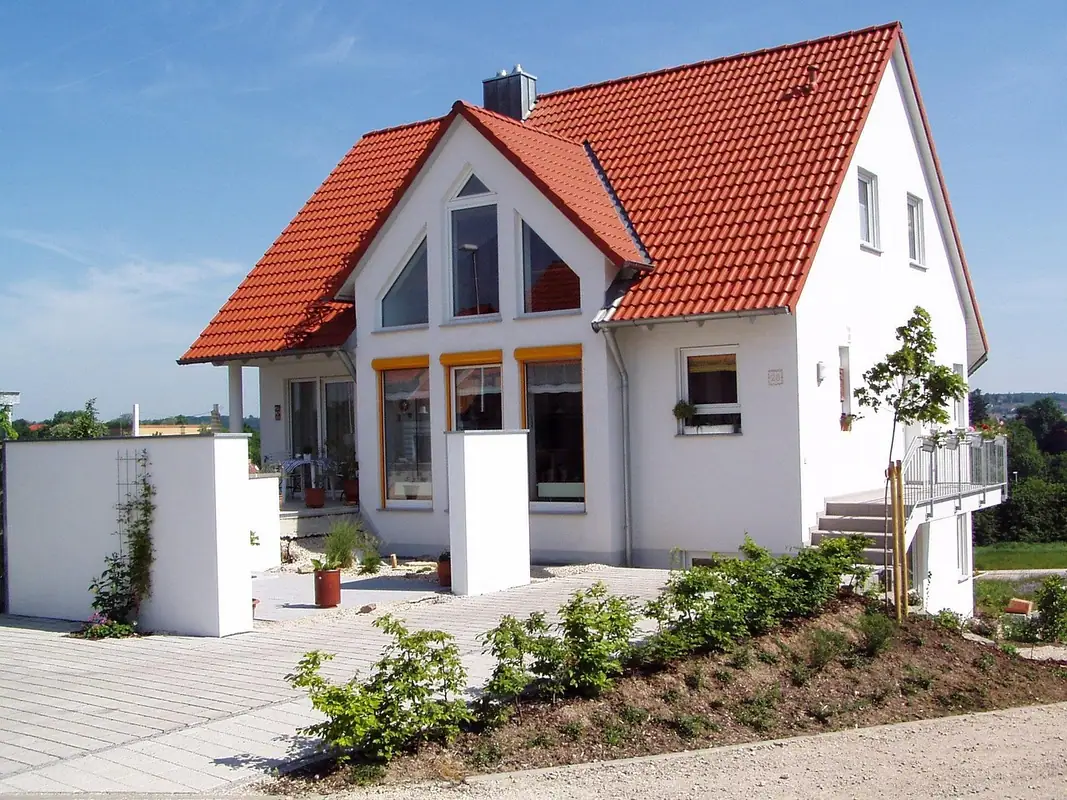
Single family detached is the center of this market. A leased house in average or better condition fits every program, and the paperwork is short: appraisal, rent schedule, lease, insurance, title.
Take the site default to see how it reads. A $500,000 rental renting for $4,000 a month, with $6,000 a year of property taxes and $2,500 of insurance, comes out around 1.20 on the default loan. On the simple tab, where you type the payment in yourself, $4,000 of rent against a $3,200 PITIA payment gives 1.25. Nothing about that math changes by property type. What changes is which rent the lender will use and how much it will lend.
Two to four units work the same way with one wrinkle. The appraiser uses the small multifamily report rather than a separate one unit rent schedule, and the lender adds the unit rents together. Say that same $4,000 is a duplex renting for $2,000 a unit and one side is empty at closing. A lender that counts only the leased unit puts $2,000 against the same $3,200 payment, which is 0.63. Full occupancy is not a detail on small multifamily, it is the file.
Condos, townhomes and HOA limits
A fee simple townhome is usually underwritten as a single family house. A condominium is not, because the lender is also underwriting the association.
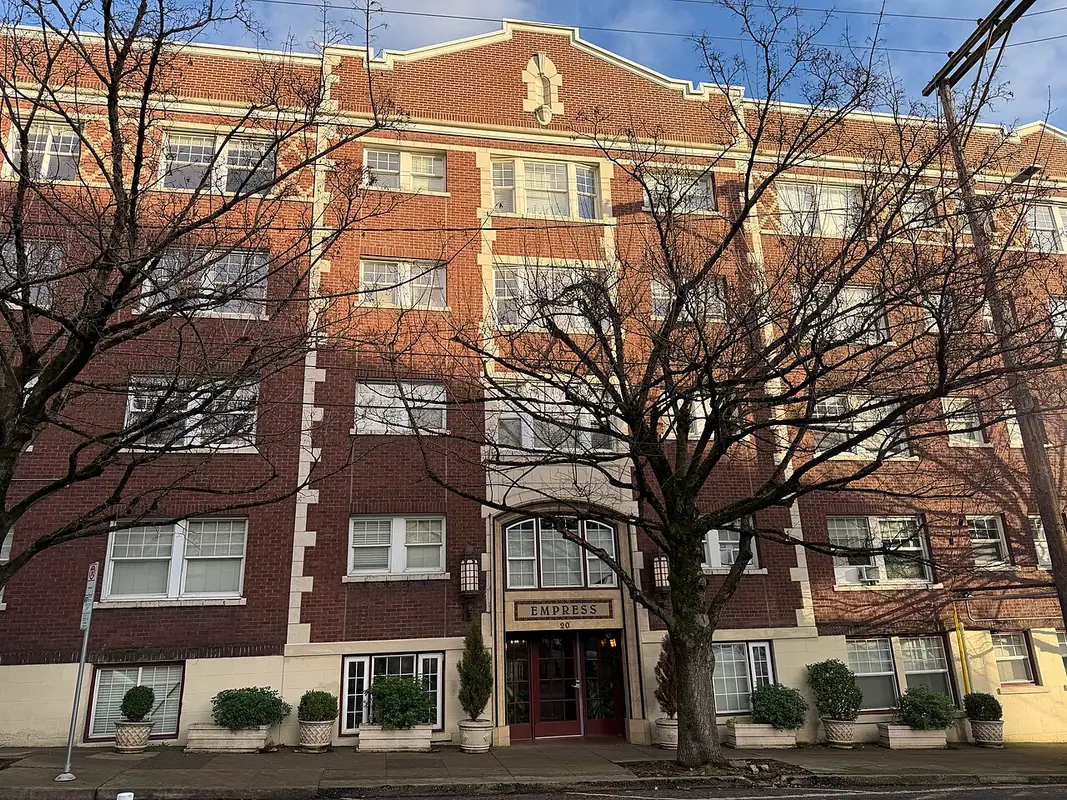
Condo reviews look at the share of units that are rentals, whether the association is in litigation, how much is in reserves, the master insurance policy, and whether one owner holds too many units. Projects that fail these tests are called non warrantable, and a smaller set of DSCR lenders will still lend on them, generally at a lower loan to value. Condotels, meaning units in a building run like a hotel with a front desk and rental program, are excluded by most programs and need a specialty lender. Ask for the condo questionnaire early. It is the slowest document in the file.
Manufactured, mobile and park deals
Many DSCR programs exclude manufactured housing outright. The ones that allow it tend to want the same things: a permanent foundation, HUD certification labels in place, land you own rather than a leased lot, and often a double wide or larger. A single wide on a rented pad in a park is rarely financeable this way.
Mobile home parks themselves are a commercial asset. Income comes from lot rent, not from housing units, so they go to commercial lenders instead of a residential DSCR program.
Mixed use and commercial files
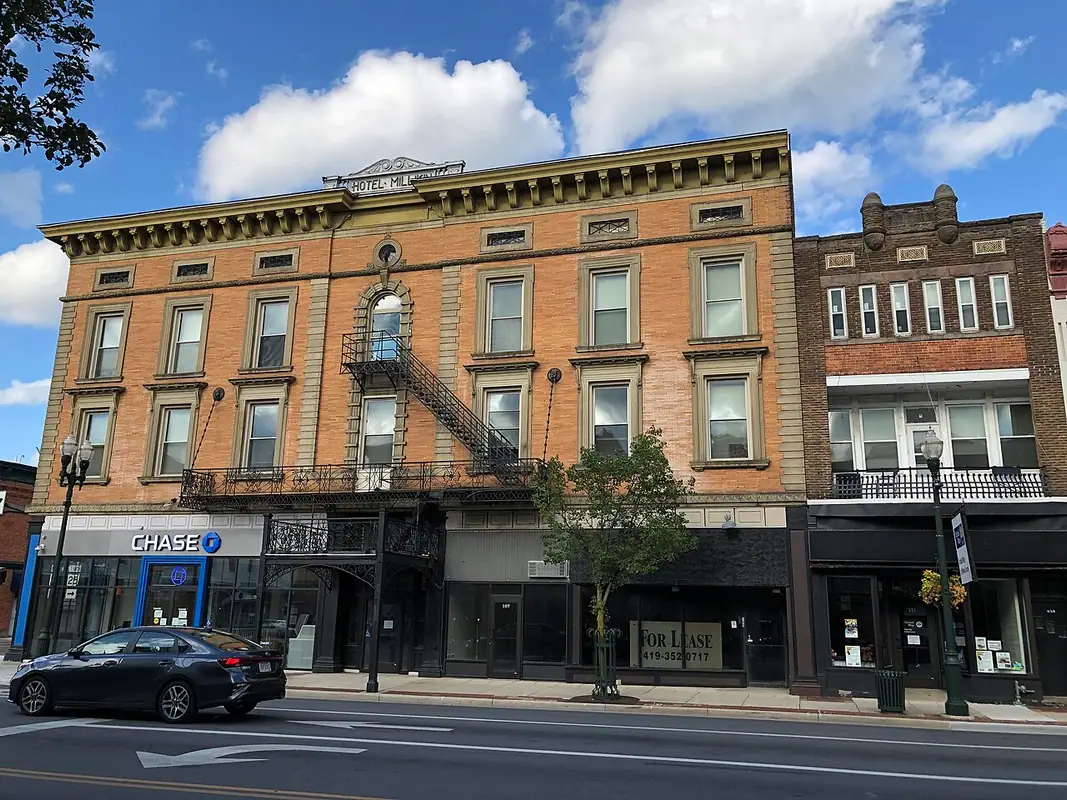
Mixed use is possible at lenders that allow it, usually when the residential part is most of the square footage and most of the value, and the commercial tenant is a conventional retail or office use. A storefront with two apartments above it is a normal conversation. A property that is mostly commercial property, or has five or more units, moves to a commercial or multifamily program. The ratio idea survives, but the forms, the reserve requirements and the rates are different, and the loan is often held by a lender that only does that work.
Vacant units, Section 8 and mid-term rentals
A vacant property can still get a DSCR loan. With no tenant, the appraiser’s market rent figure carries the income side, which is exactly what the comparable rent schedule exists to provide. Expect something to tighten in exchange: a lower maximum loan to value, a haircut on the rent used, or more reserves.
Section 8 rent is accepted by most lenders. Underwriters tend to like voucher income because a housing authority pays most of it under contract. They will ask for the lease, the housing assistance payment contract and the split between the authority and the tenant. Some programs cap the qualifying rent at market rent, so a voucher sitting above market may not count in full.
Furnished mid-term rentals, the thirty to ninety day stays rented to nurses and traveling workers, usually qualify on long term market rent rather than the higher furnished rate. Nightly rentals are their own underwriting path, covered in DSCR loans for short-term rentals.
Where to go next for your property type
For a leased house or small multifamily, the rent figure is the thing to check. For a condo, start with the association documents. For manufactured or mixed use, ask about eligibility before you pay for an appraisal, because a property type decline wastes the money. For a vacant unit, decide whether to lease it first or take the tighter terms.
Run your own property through the numbers
Once you know your property fits, the math is quick. Put the rent, the price, the taxes and the insurance into the DSCR Loan Calculator on the home page and see where your ratio lands before you call a lender.
Frequently asked questions
What can DSCR loans be used for?
DSCR loans are used for rental property you do not live in. Single family houses, condos, townhomes and two to four unit buildings are the core of the market. Some programs also take small apartment buildings, mixed use space and short term rentals. The property has to be non owner occupied, habitable, and similar enough to nearby rentals that an appraiser can estimate market rent.
Can you get a DSCR loan on a single family investment property?
Yes, and it is the easiest file most lenders see. A leased single family house in average or better condition fits every program. The appraiser adds a one unit rent schedule to the appraisal, the lender puts that rent or the lease rent over the payment, and the ratio decides the deal. Rural location, large acreage and unusual construction are the common exceptions.
Can you get a DSCR loan on a vacant property?
Usually yes. With no lease, the appraiser's market rent figure stands in for actual rent. Expect tighter terms, often a lower maximum loan to value, a haircut on the rent used, or extra months of reserves. A signed lease before closing removes the question. The property still has to be rent ready, so a vacant shell is a different loan.
Will a DSCR lender count Section 8 rent?
Most will. Housing choice voucher income is contract rent backed by a housing authority, which underwriters generally view as stable. The lender wants the lease, the housing assistance payment contract and the rent breakdown between the authority and the tenant. Some programs cap the qualifying rent at the appraiser's market rent, so a voucher paying above market may not count in full.
Can a DSCR loan cover a mixed use or commercial building?
Sometimes. Mixed use works at lenders that allow it when the residential portion makes up most of the square footage and value, and when the commercial tenant is a normal retail or office use. A building with five or more units, or one that is mostly commercial, moves to a commercial or multifamily program with its own underwriting and terms.